St Bees Green Future ran this seasonal swap event to encourage growers to bring along surplus produce from their gardens and allotments, dishes made from their produce and recipe ideas for using up a glut of fruit and vegetables, all helping to reduce food waste. Seeds were also welcomed to encourage growing.
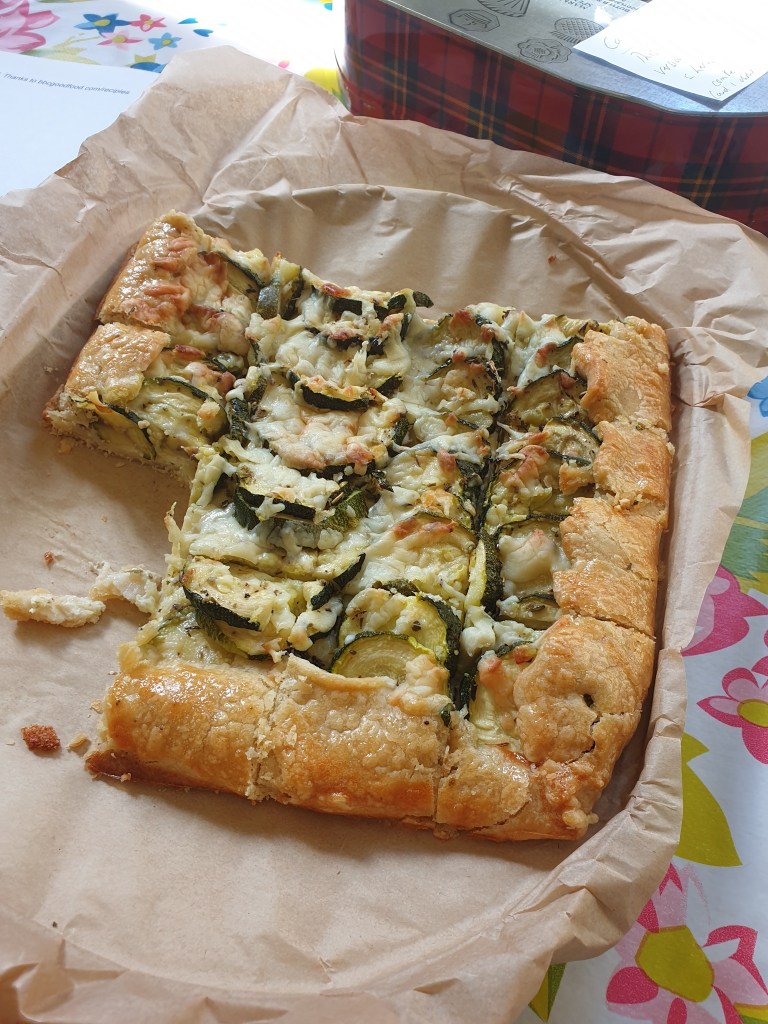
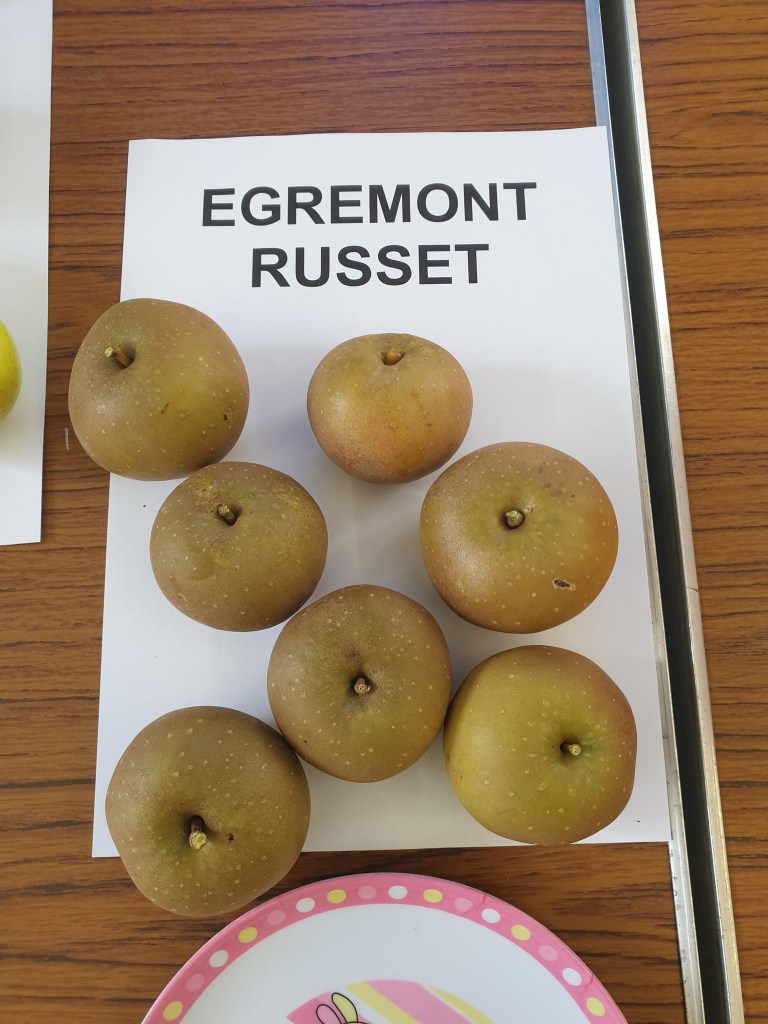
A range of produce was donated including apples, beetroot, elderberries, herbs, lettuce, jam and pears. And a lovely selection of dishes to sample including apple cake, apple juice, chocolate coated apple and pear slices, courgette galette and a courgette cake, with various other recipe ideas to browse through. There was also the opportunity to try some local apple varieties – Egremont Russet and Keswick Codlin. After the event, the surplus produce was placed on the Community Garden stall for others to use.
St Bees Green Future plans to run some further food-related events, so keep a look out for future events.
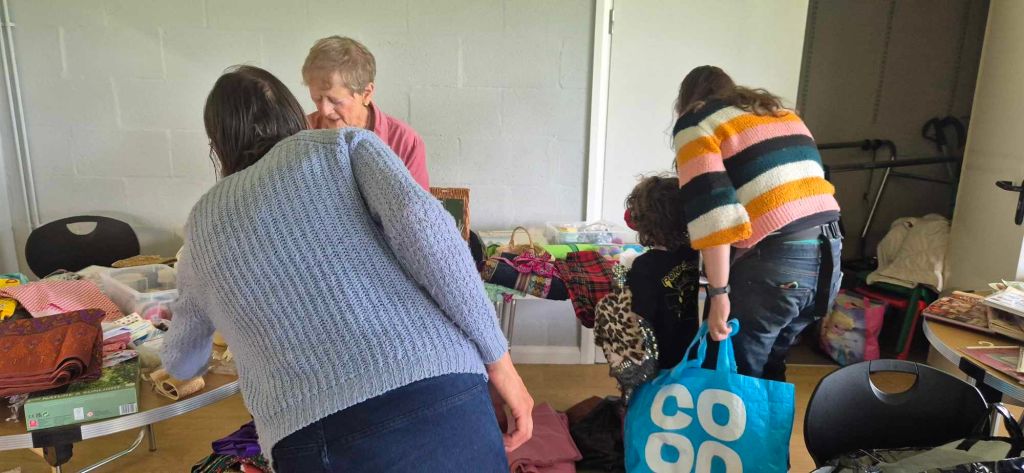
To mark Great Big Green Week in June, St Bees Green Future organised a hobby item swap. Suggestions to run a swap related to craft items, outdoor and sports equipment had been made, so this swap tied these themes together. The event was popular and lots of swapping of craft items took place, including fabrics, wool, kits, patterns and books. The remaining craft items were shared between St Bees Village Primary, Little Learners Nursery and the local Beavers group. Given that it was so popular, there will be another craft swap in the future.
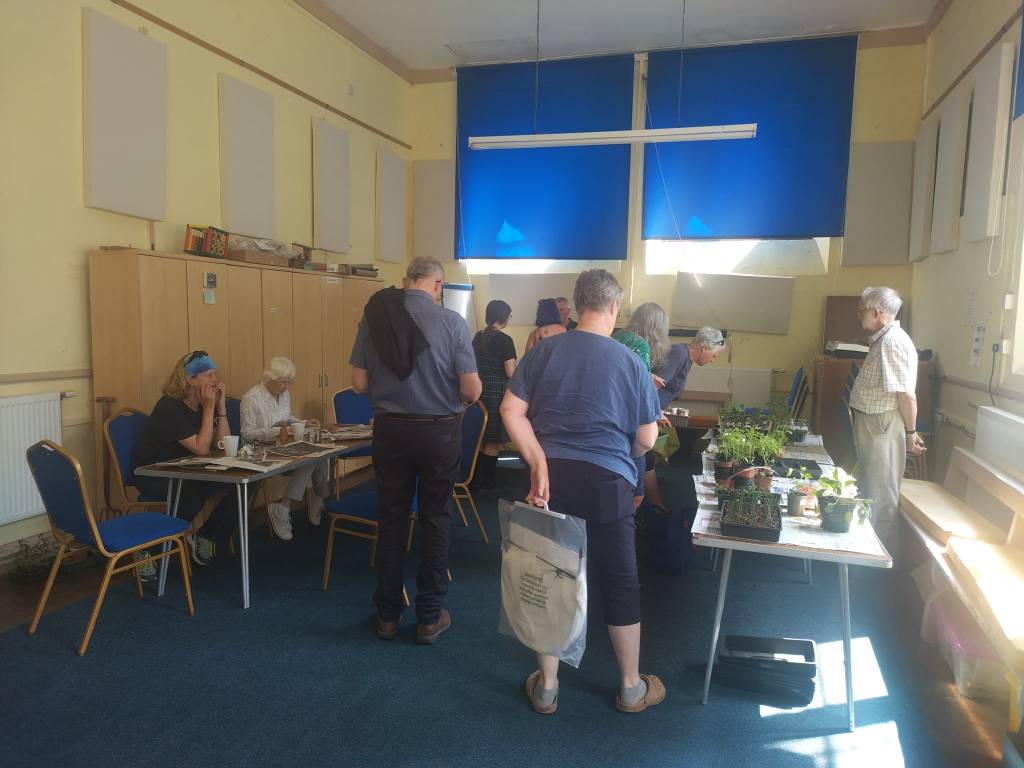
In May, St Bees Green Future ran a plant, seed and tool swap. This was in response to interest in garden-themed swaps from the suggestion box for St Bees Swap Together events. We also ran an activity to make little pots out of newspaper, which proved popular, allowing attendees to sow their seeds at the event. A volunteer from Cumbria Master Composters supported the event, providing information and advice about home composting.
Lots of plants and seeds were swapped and some of the tools were donated to the Community Garden. There were some surplus tomato, leek and onion plants leftover from the event, which were placed on the Community Garden’s stall at the entrance to the Priory drive.
The plan is to run a further plant and seed swap in the future, so look out for details.
St Bees Green Future was successful in applying for one of Zero Carbon Cumbria’s Community Climate Grants. The grant will fund St Bees Swap Together, a series of free swap events in 2025.
As well as continuing with quarterly clothes swaps, there will be a swap event in May for plants, seeds and garden tools, and the committee is liasing with Cumbria Master Composters for a volunteer to attend this event. During Great Big Green Week in June, there will be a swap for hobby items, including sports and outdoor wear and equipment, as well as craft items. For Second Hand September, there will be a swap (theme to be confirmed) alongside a community meal to use up surplus produce. If you have any suggestions for future swap events, please let St Bees Green Future know: stbeesgreenfuture@gmail.com
St Bees Swap Together is funded by the National Lottery Community Fund and is part of the Zero Carbon Cumbria Partnership’s ambitious emission reduction programme to make Cumbria carbon neutral by 2037.
This year’s theme for Great Big Green Week was “Let’s swap together for good”. By swapping items, we reuse what is already in circulation, which helps reduce the production of new items, saving raw materials and energy, and reducing waste.
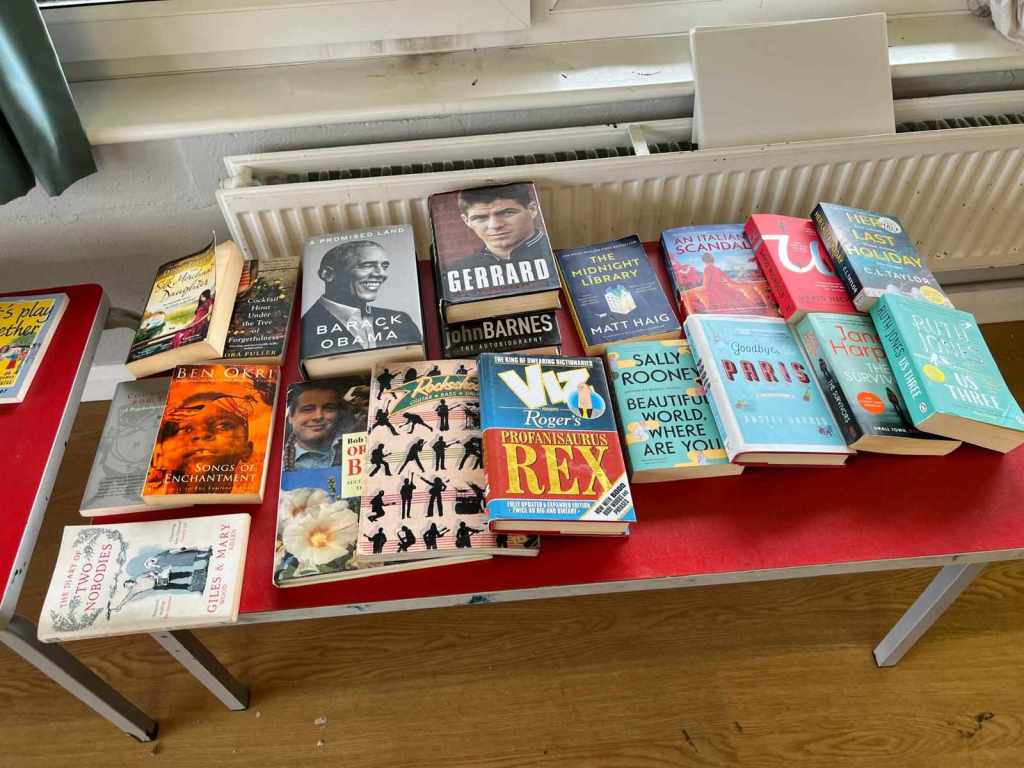
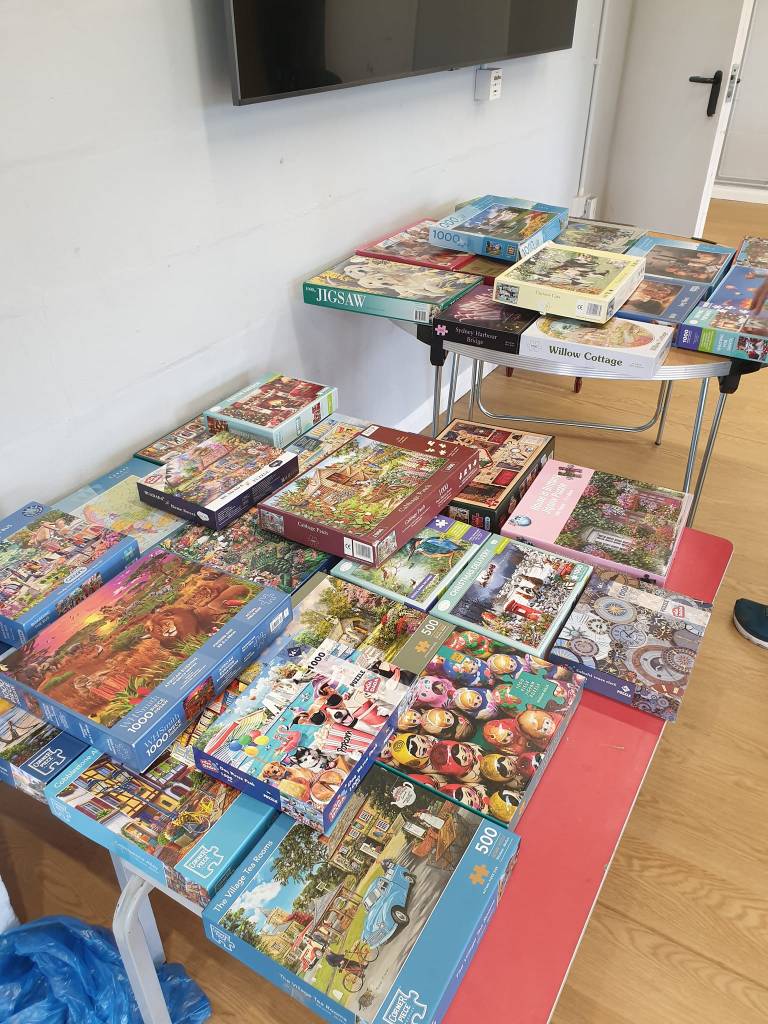
St Bees Green Future already runs a quarterly clothes swap, but took part in Great Big Green Week with a Book, Game, Jigsaw and Plant Swap at Adams Recreation Ground.
Although it was a wet day, various swaps took place over the afternoon, with jigsaws proving particularly popular! Free refreshments were served, with time to catch up with friends over a cuppa.
Some of the leftover board games were donated to St Bees Village Primary School and some of the jigsaws to Cumberland Libraries. The remaining items were distributed between Barnardo’s and Far Place charity shops in Whitehaven.
Look out for details of the next swap event in St Bees.
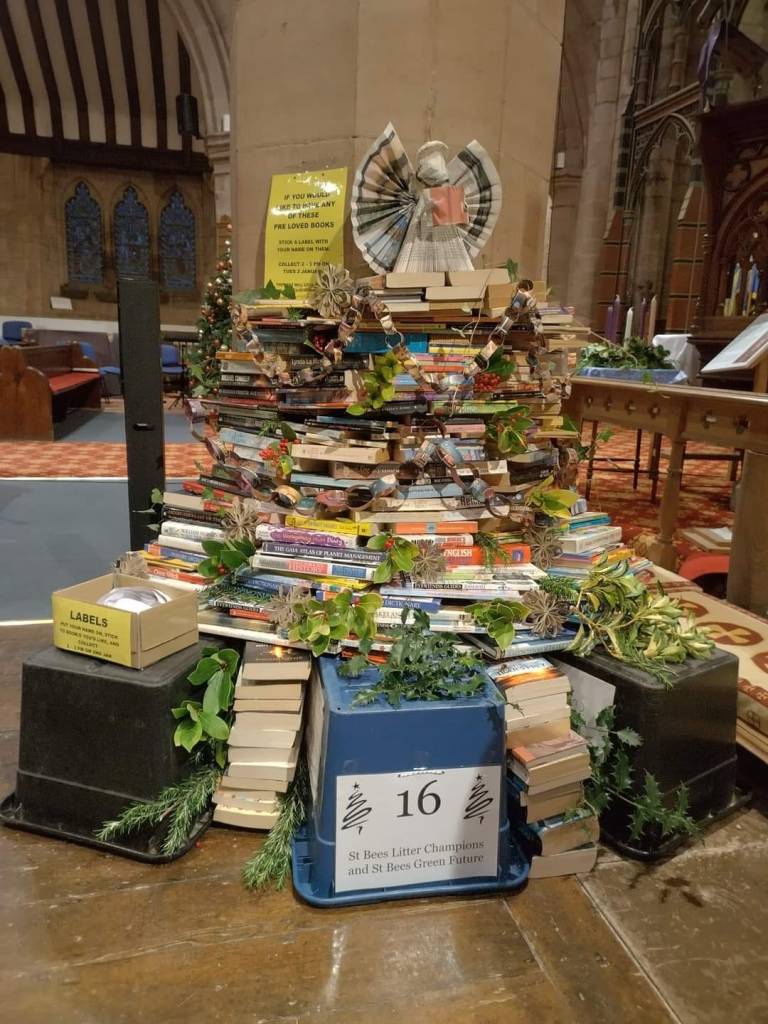
As part of the 2023 Christmas Tree Festival at St Bees Priory, St Bees Green Future created a preloved book tree. This was decorated with paper chains made from magazines, cardboard stars made from toilet roll tubes, garden greenery and topped with a book-folded angel.
Labels were also available during the Christmas Tree Festival to let people claim any books that they wished to once the tree was taken down. The remaining books from the tree were donated to Oxfam, Samaritans and Great North Air Ambulance.
If you are looking to pick up some preloved books in St Bees, take a look in The Little Library outside 61 Main Street or browse the shelves in the beach café. Alternatively, check out the buy and sell, and share swap and give away groups for St Bees.
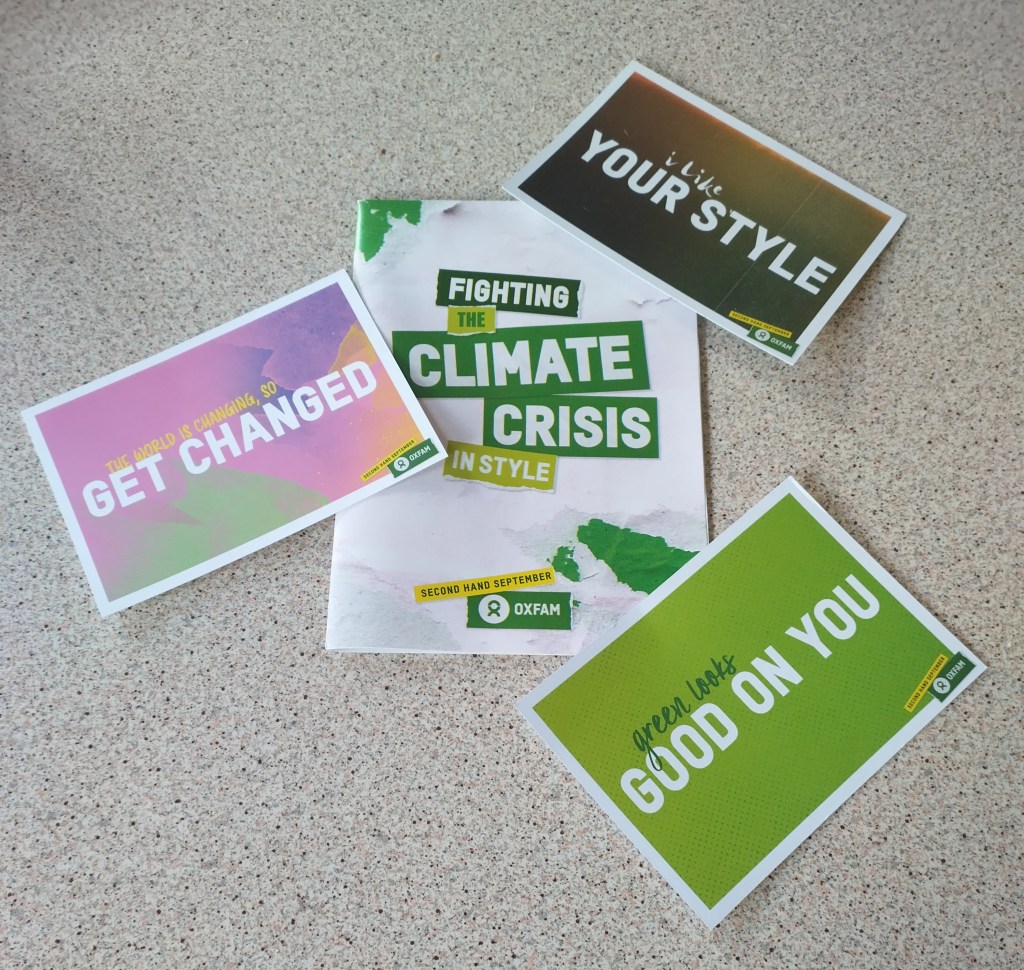
Second Hand September is Oxfam’s campaign to encourage people to rewear the clothes they already have, donate the clothes they no longer need and choose preloved over new clothes. Wearing preloved clothing helps to reduce the demand for new clothing, which in turn will reduce the greenhouse gas emissions generated by the fashion industry.
St Bees Green Future ran a “bring and take” event on 30th September in New College Hall for Second Hand September. As well as clothing, we invited people to bring along books, toys and household items that they no longer needed so that others could take them away without charge. Some of the items that found new homes included organic children’s clothing by Frugi, a set of Le Creuset pans, a pull-along suitcase, the game Articulate, a set of Dr Seuss books and embroidery materials. Lots more items changed hands and the remaining items were donated to charity shops to find another home.
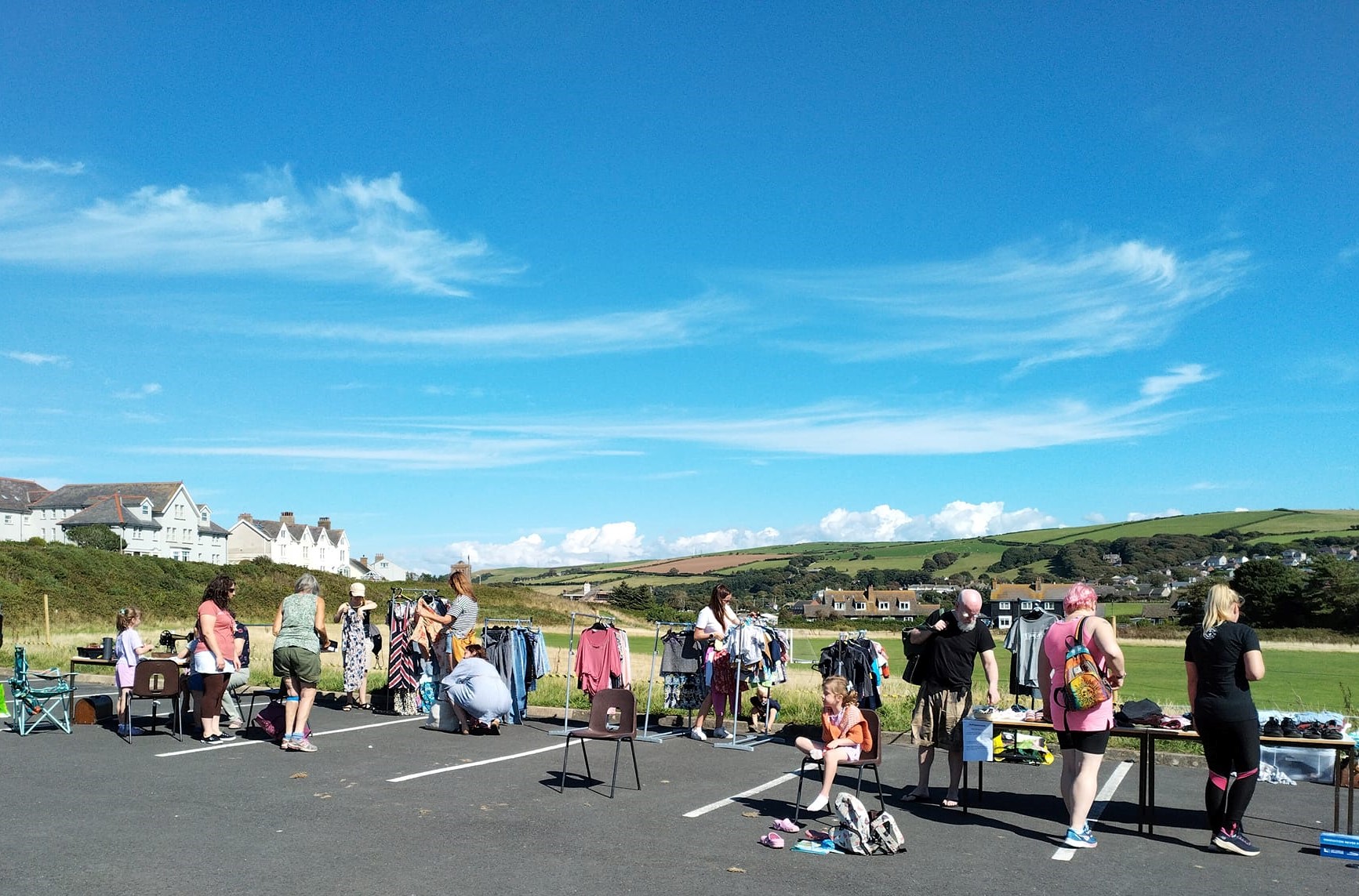
St Bees Green Future is running a clothes swap on Saturday 18th November, 2 till 4pm, at Adams Recreation Ground. It costs £4 to take part, with refreshments included. Bring along clothes and accessories that are still in good condition and see what garments you can find to take home!
Globally, clothing production doubled between 2000 and 2015, while the average number of times clothes are worn fell by around one-third. We are producing and buying far more clothes than we need, and this has an impact on the environment.
Carbon Emissions
The fashion industry is responsible for 8-10% of global carbon emissions. There are carbon emissions at every stage, from fibre and fabric production, cutting, sewing and finishing items to packaging, transport and sales.
Recycling and Waste
Clothes are difficult to recycle, especially if they are made from multiple fabrics, so less than 1% of clothing is currently recycled into new garments. The vast majority of clothes are made from new materials, with synthetic fibres that are made from fossil fuels accounting for over 60% of clothing materials. According to WRAP, around 350,000 tonnes of clothing is sent to landfill annually in the UK, with synthetic fibres taking around 200 years to break down, releasing microplastics in the process.
Water Consumption and Pollution
The fashion industry is the second largest consumer of water globally. For instance, it takes up to 10,000 litres of water to produce one pair of jeans. Using so much water, the fashion industry is also responsible for around one-fifth of waste water globally and dyeing fabric is the second biggest contributor to water pollution in the world.
Reduce and Reuse
The key is to buy fewer clothes and to choose second hand clothes when you can. Charity shops, car boot sales, local Facebook buy and sell groups, eBay and other online sales platforms are just some of the places to find preloved clothing. Swapping clothes with friends and family or taking part in an organised clothes swap is a low cost option to reuse clothing.
By swapping clothes, you can help reduce carbon emissions, conserve water and save clothes from landfill. You’ll also save yourself money and can update your wardrobe regularly.
St Bees Clothes Swaps
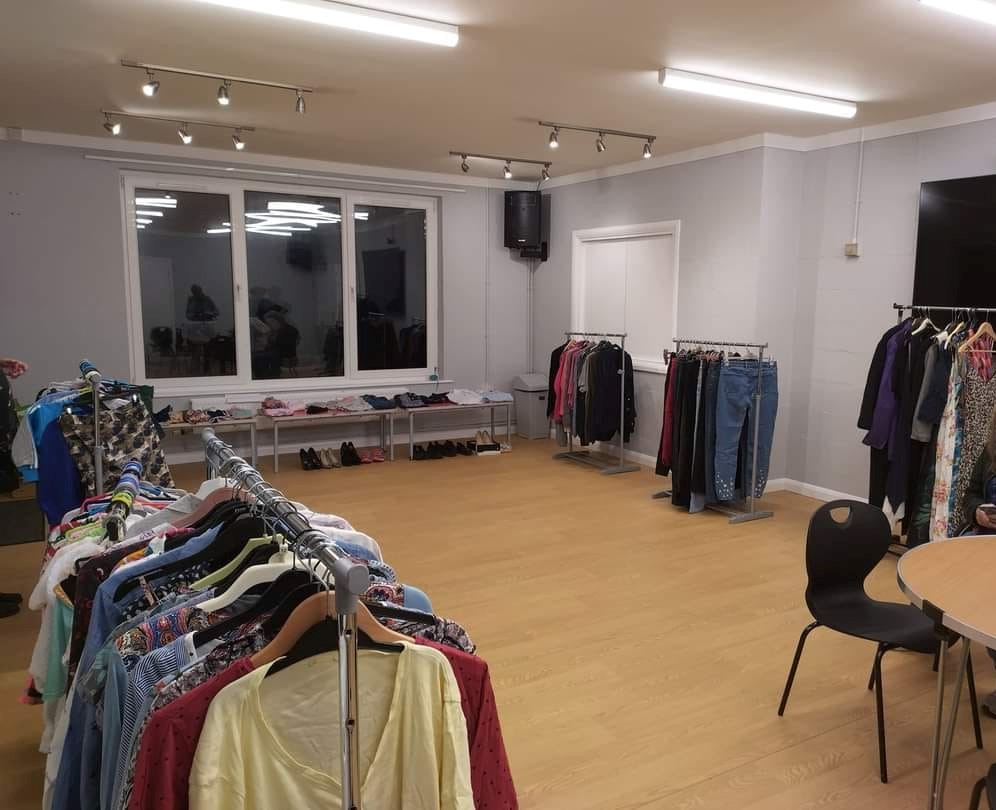
St Bees Green Future runs quarterly clothes swaps at Adams Recreation Ground on Beach Road in St Bees. All clothes and accessories in good condition are welcome; just bring them along to the start of our events. Come along and enjoy a cuppa and chat while you browse. Look out for details of our clothes swaps via St Bees Parish News, village notice boards and Facebook.
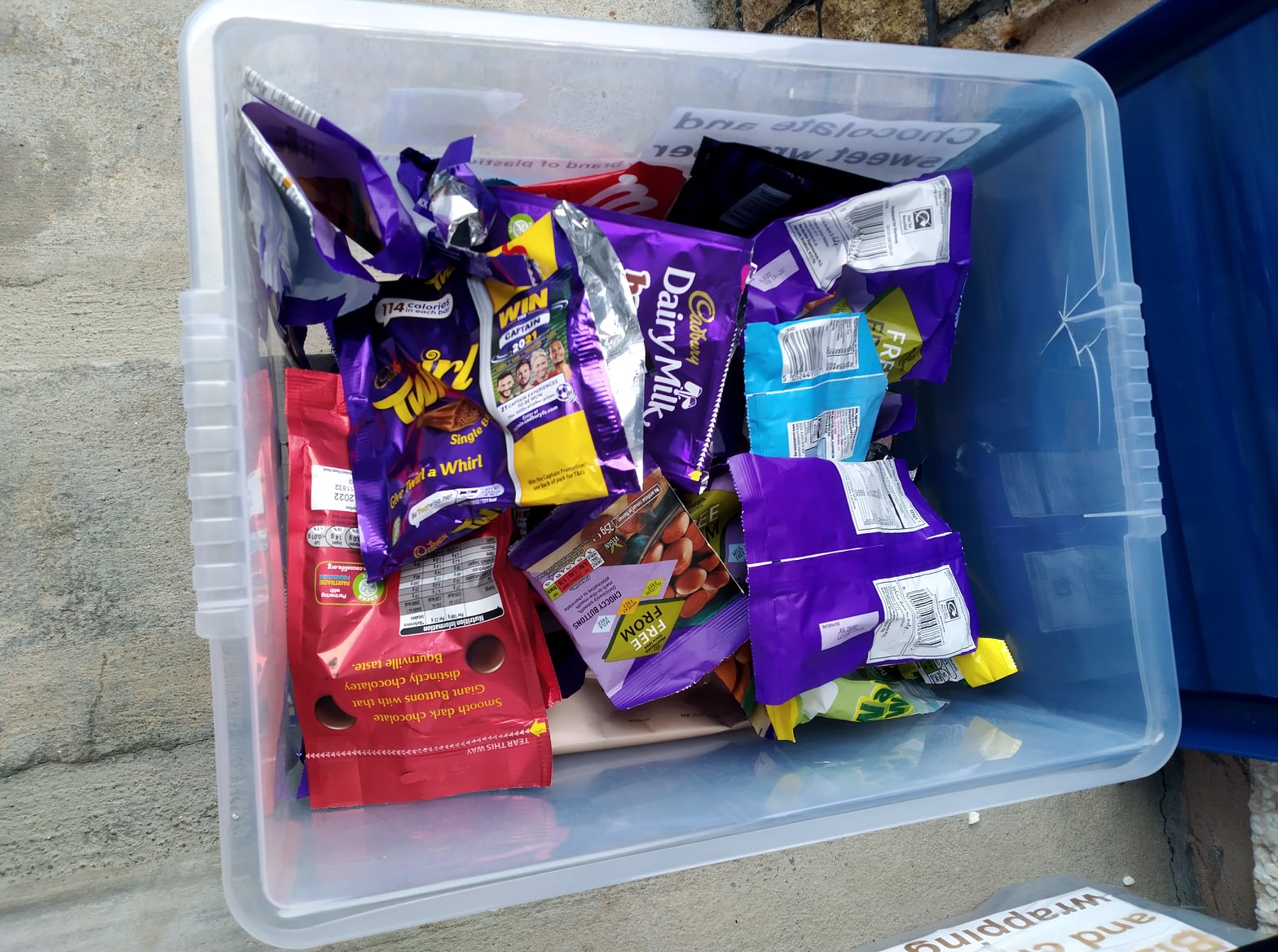
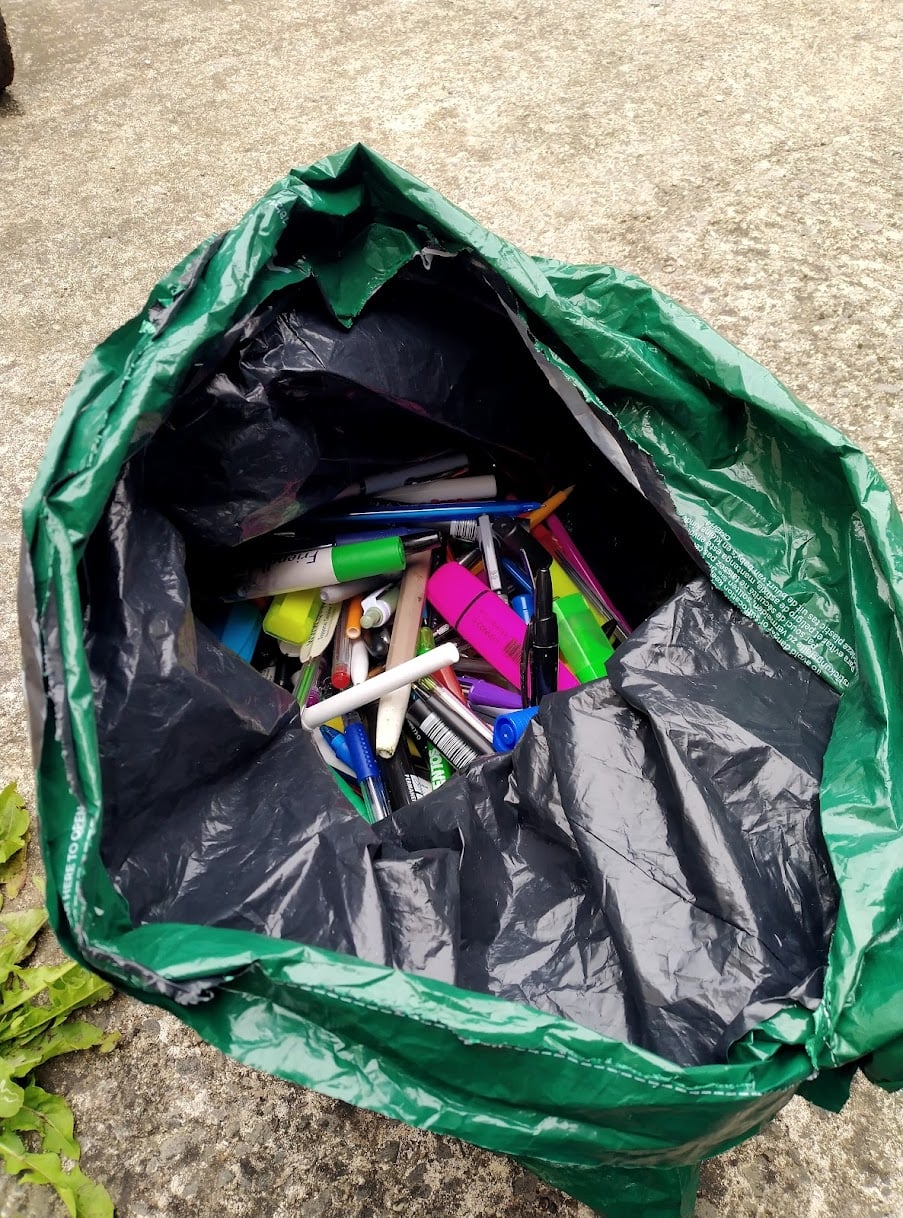
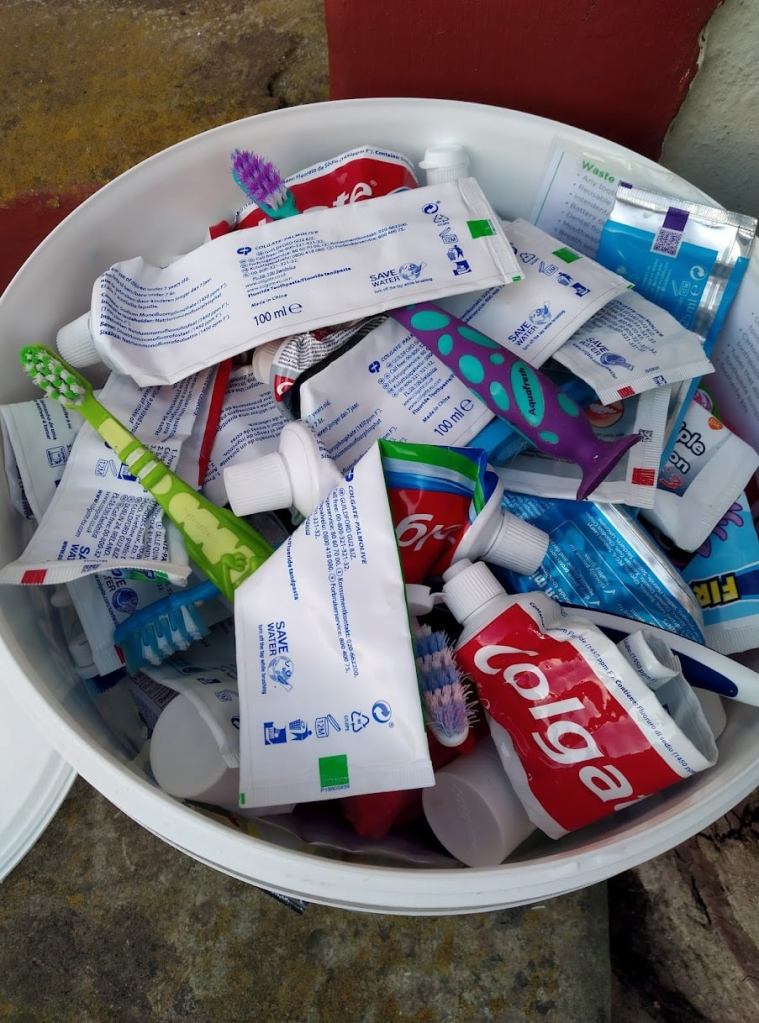
What happens to the dental products, medicine blister packs, pens and soft plastics once you drop them off at the collection points in St Bees? It’s a good question, as there is concern over what happens to a lot of the plastic that is collected for recycling in the UK.
The first step of the journey is dropping the waste items off at the nearest official collector for each waste stream. No special journeys are made to do so though; the items are stored until a member of St Bees Green Future is going to Workington, Cockermouth or Carlisle. The official collectors then send them on to a material recovery facility run by either TerraCycle or Veolia.
TerraCycle offers free recycling programmes for items that aren’t collected by local councils; these tend to be mixed materials that are harder to recycle, such as toothpaste tubes, pens and snack packaging. The recycling schemes we take part in are free, as they are sponsored by manufacturers. Similarly, Superdrug has partnered with Veolia to recycle medicine blister packs.
The waste collected from TerraCycle’s schemes is sorted, washed and processed in the UK. Plastics are shredded, melted and turned into pellets, flakes or powder. These can then be used by manufacturers to produce containers, bins, watering cans, outdoor furniture, decking and surfaces, such as those you find on playgrounds. Metals are shredded and smelted into metal sheets and bars for further use.
The waste sent to Veolia’s facilities goes through a similar process and they guarantee 100% recycling after residues and contaminants are removed.
We have recycling bins or boxes for plastic, cans, glass, card and paper at the kerbside, and recycling crates for the same materials at the seafront car park. There are also recycling points for batteries, pens and medicine blister packs at St Bees Post Office, dental items outside 61 Main Street and snack packaging at the beach café; there is even a collection tub for soft plastics at the back of St Bees Priory. So, plenty of opportunities for recycling!
While it’s far better to recycle waste items than send them to landfill or for incineration, recycling still uses a lot of energy, so it’s a last resort and should be limited to items that can no longer be used. For items that you no longer want or need, reuse by someone else is the best option. And by reusing preloved items, this reduces our reliance on new products. The extraction of raw materials, manufacture of items and transport at each stage uses energy and, as a result, produces greenhouse gases. So, choosing preloved items can help reduce your carbon footprint. You also preserve resources, such as water, and save on packaging by choosing preloved goods. And if you’re looking to reduce your consumption further, repairing items can extend the life of your clothes, toys, electrical and household goods.
We informally pass items on to friends and you will often see items outside people’s houses in St Bees that are “free to a good home.” You can list items on St Bees Parish Buy and Sell or St Bees Parish Share Swap and Give Away groups on Facebook, but these groups are a good place to find preloved items and advertise for items wanted too.
If you have books to pass on or are looking for some new titles to read, there is the Little Free Library outside 61 Main Street. You can also browse the book shelves in the baptistry at St Bees Priory and the beach café, where you can leave a donation for any books that you take. St Bees School also holds an annual book swap for charity.
While clothes can be recycled via the collection points at the beach and station car parks, there is a Recycle With Michael clothing bank at St Bees Village Primary School, which raises money for the Salvation Army and the primary school. St Bees Green Future also runs a quarterly clothes swap. If you have clothes and accessories that are still in good condition, bring them along to the start of a clothes swap – look out for details of the next one! Once hung up and everyone has had chance to browse, you can then take as many items as you would like to. Preloved uniform is also available via St Bees Village Primary School.
Children grow quickly and develop new interests, so the preloved sales for children’s items that have restarted in the village are a great place to pick up clothes, toys, games and books for your children. These are now run jointly by St Bees Green Future and St Bees VSA, helping to raise money for St Bees Village Primary School.
That’s just what we are doing in St Bees at the moment. If you can’t find the preloved items that you’re looking for here, why not try Egremont Car Boot Fair, West Lakes Freecycle group, one of the local charity shops or the various buy swap and sell groups around West Cumbria?


 Sustainable St Bees