Globally, clothing production doubled between 2000 and 2015, while the average number of times clothes are worn fell by around one-third. We are producing and buying far more clothes than we need, and this has an impact on the environment.
Carbon Emissions
The fashion industry is responsible for 8-10% of global carbon emissions. There are carbon emissions at every stage, from fibre and fabric production, cutting, sewing and finishing items to packaging, transport and sales.
Recycling and Waste
Clothes are difficult to recycle, especially if they are made from multiple fabrics, so less than 1% of clothing is currently recycled into new garments. The vast majority of clothes are made from new materials, with synthetic fibres that are made from fossil fuels accounting for over 60% of clothing materials. According to WRAP, around 350,000 tonnes of clothing is sent to landfill annually in the UK, with synthetic fibres taking around 200 years to break down, releasing microplastics in the process.
Water Consumption and Pollution
The fashion industry is the second largest consumer of water globally. For instance, it takes up to 10,000 litres of water to produce one pair of jeans. Using so much water, the fashion industry is also responsible for around one-fifth of waste water globally and dyeing fabric is the second biggest contributor to water pollution in the world.
Reduce and Reuse
The key is to buy fewer clothes and to choose second hand clothes when you can. Charity shops, car boot sales, local Facebook buy and sell groups, eBay and other online sales platforms are just some of the places to find preloved clothing. Swapping clothes with friends and family or taking part in an organised clothes swap is a low cost option to reuse clothing.
By swapping clothes, you can help reduce carbon emissions, conserve water and save clothes from landfill. You’ll also save yourself money and can update your wardrobe regularly.
St Bees Clothes Swaps
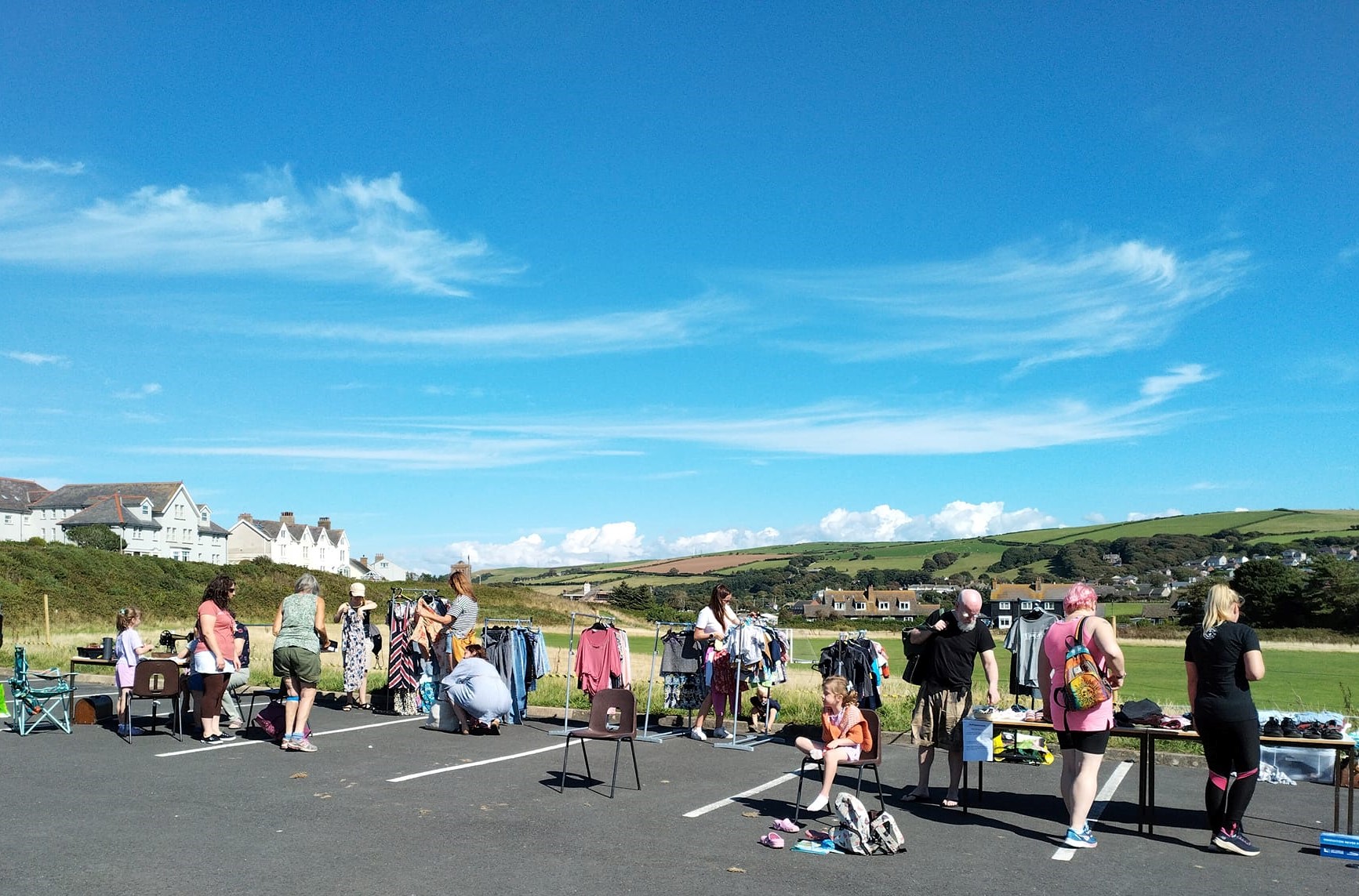
St Bees Green Future runs quarterly clothes swaps at Adams Recreation Ground on Beach Road in St Bees. All clothes and accessories in good condition are welcome; just bring them along to the start of our events. Come along and enjoy a cuppa and chat while you browse. Look out for details of our clothes swaps via St Bees Parish News, village notice boards and Facebook.
 Sustainable St Bees